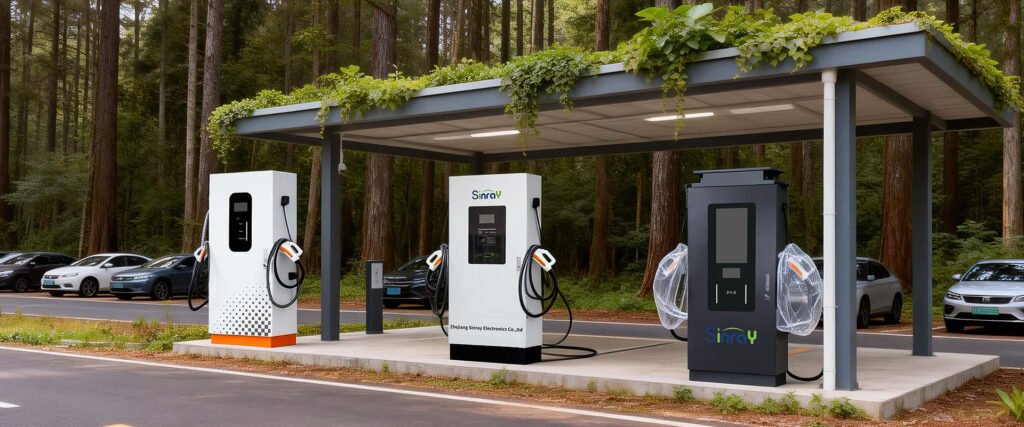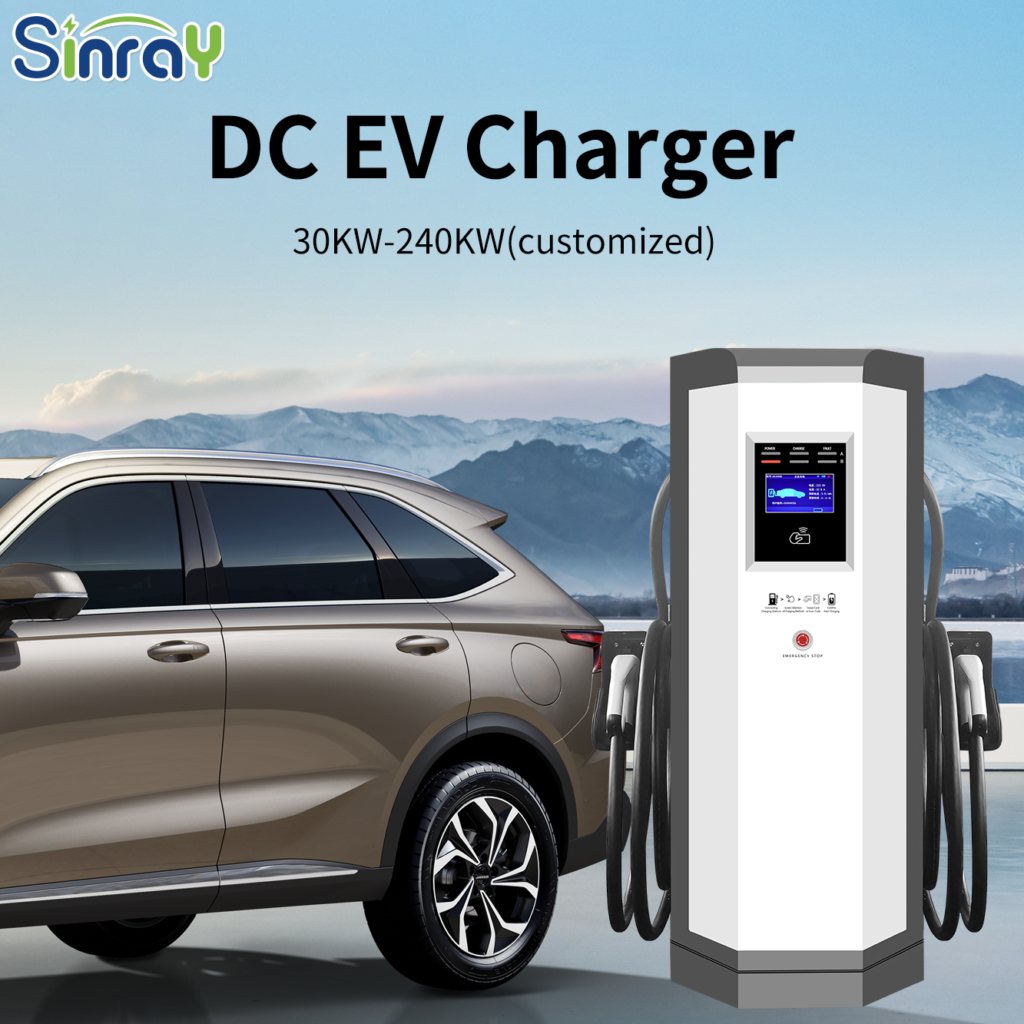
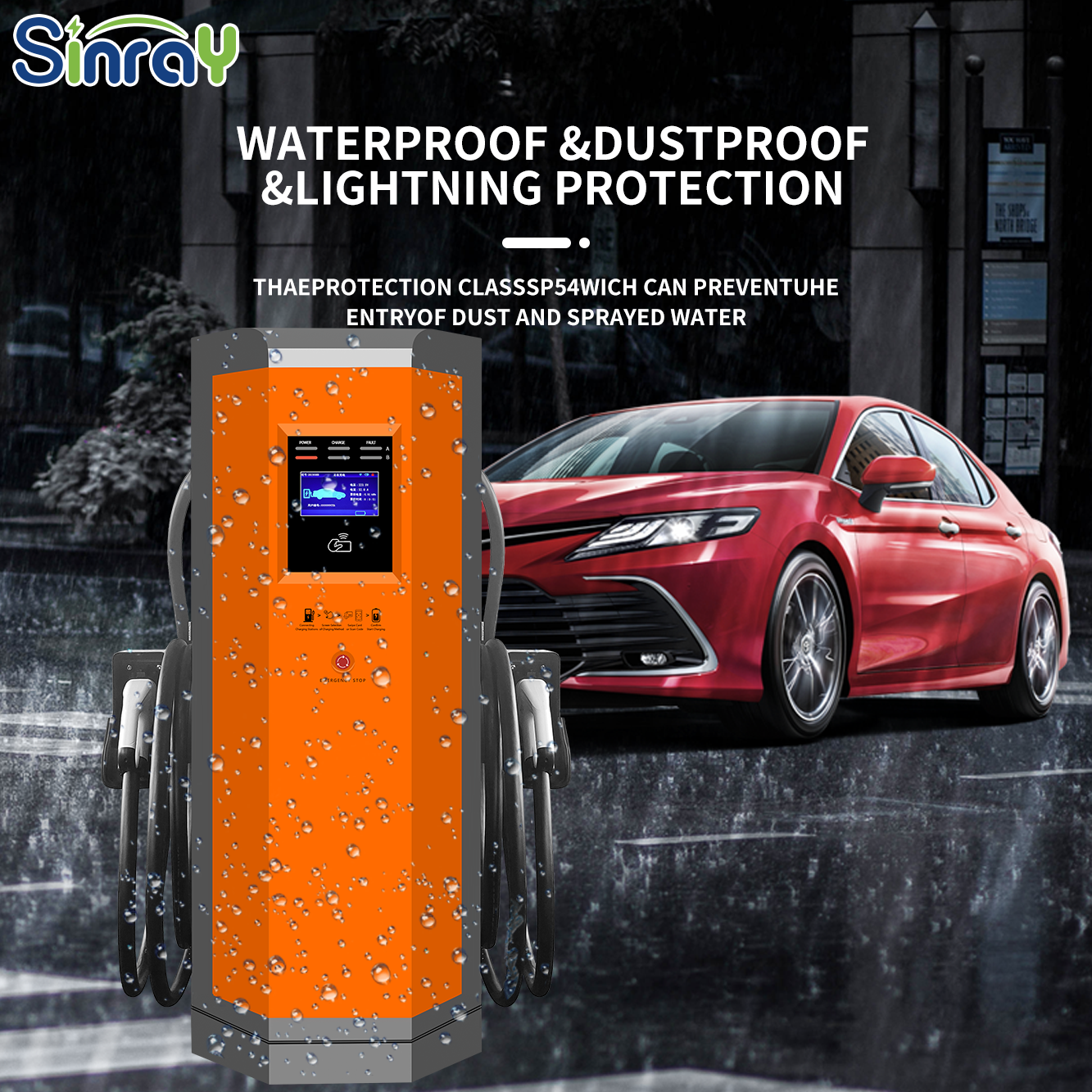
As a provider of 120KW DC chargers, one question that often arises from our customers is about the noise level of these chargers during operation. Understanding the noise levels is crucial for various stakeholders, including electric vehicle (EV) owners, business owners looking to install charging stations, and local authorities concerned with noise pollution regulations. In this blog post, I will delve into the factors influencing the noise level of a 120KW DC charger, typical noise levels, and how we address noise – related concerns in our products.
Factors Influencing the Noise Level of a 120KW DC Charger
Cooling Systems
One of the primary sources of noise in a 120KW DC charger is the cooling system. These chargers generate a significant amount of heat during operation, and effective cooling is essential to maintain their efficiency and prevent overheating. Most 120KW DC chargers use either air – cooling or liquid – cooling systems.
Air – cooling systems rely on fans to circulate air through the charger’s components to dissipate heat. The fans can produce a noticeable humming or whirring sound, especially when they are running at high speeds to cool the charger under heavy load. The size and number of fans, as well as their rotational speed, directly impact the noise level. Larger fans running at lower speeds tend to be quieter than smaller fans operating at high speeds.
Liquid – cooling systems, on the other hand, use pumps to circulate a coolant through the charger. While these pumps can also generate some noise, it is generally lower compared to high – speed fans in air – cooling systems. However, the overall noise level of a liquid – cooled charger can still be affected by other factors such as the design of the coolant channels and the vibration of the components.
Electrical Components
The electrical components within the charger, such as transformers and power converters, can also contribute to the noise. Transformers, in particular, can produce a low – frequency buzzing sound due to the magnetic fields generated during operation. The design and quality of these components play a significant role in determining the noise level. High – quality transformers with better insulation and magnetic core materials tend to produce less noise.
Enclosure Design
The design of the charger’s enclosure can either amplify or dampen the noise generated by its internal components. A well – designed enclosure with proper sound – insulating materials can reduce the noise level significantly. For example, enclosures with double – wall construction and sound – absorbing liners can help to block and absorb the noise, preventing it from escaping into the surrounding environment.
Typical Noise Levels of 120KW DC Chargers
The noise level of a 120KW DC charger can vary depending on the factors mentioned above. In general, the noise level of a well – designed 120KW DC charger during normal operation is typically in the range of 50 – 70 decibels (dB). To put this into perspective, 50 dB is roughly equivalent to the noise level of a quiet office environment, while 70 dB is similar to the noise level of a busy street.
Under heavy load, when the charger is delivering maximum power, the noise level may increase slightly, but it usually remains within an acceptable range. For example, some chargers may reach up to 75 dB under peak load conditions. It’s important to note that these noise levels are measured at a distance of one meter from the charger. As you move further away from the charger, the noise level decreases significantly due to the inverse – square law of sound propagation.
How We Address Noise – Related Concerns
As a 120KW DC charger supplier, we take noise – related concerns seriously. We understand that noise can be a significant factor for our customers, especially when installing chargers in residential areas or noise – sensitive locations. Here are some of the measures we take to minimize the noise level of our chargers:
Advanced Cooling Technology
We use a combination of air – cooling and liquid – cooling technologies to optimize the cooling performance while minimizing noise. Our chargers are equipped with high – efficiency fans and pumps that are designed to operate at low speeds whenever possible. This not only reduces the noise level but also improves the energy efficiency of the charger.
High – Quality Components
We source high – quality electrical components from reputable manufacturers. Our transformers and power converters are designed to minimize electromagnetic interference and noise generation. We also conduct rigorous testing on these components to ensure that they meet our strict noise standards.
Sound – Insulating Enclosures
Our chargers feature enclosures made of sound – insulating materials. The double – wall construction and sound – absorbing liners help to reduce the noise level significantly. We also pay close attention to the design of the enclosure to ensure that it provides a tight seal, preventing noise from leaking out.
Comparing with Other Chargers
When considering the noise level of our 120KW DC chargers, it’s also interesting to compare them with other types of chargers. For example, Charge Point Dc Fast Charger is another popular option in the market. While specific noise level data may vary depending on the model and design, our 120KW chargers are competitive in terms of noise performance.
Similarly, DC Car Charging solutions come in various power ratings. Our 120KW chargers offer a good balance between charging speed and noise level. And if you need a higher – power option, our 180 KW EV Charger also follows similar design principles to keep the noise under control.
Conclusion and Call to Action
In conclusion, the noise level of a 120KW DC charger during operation is influenced by various factors such as the cooling system, electrical components, and enclosure design. At our company, we are committed to providing high – quality chargers with low noise levels. Our chargers are designed to meet the needs of different customers, whether they are installing chargers in commercial areas, residential complexes, or public spaces.
If you are interested in learning more about our 120KW DC chargers or have any questions regarding noise levels, charging performance, or installation, we encourage you to contact us for a detailed discussion. We are ready to assist you in finding the best charging solution for your specific requirements.